{{ variable.name }} : {{ variable.values[selectedVariantsIndex[variable_index]].name }}
Zustand:
Menge:
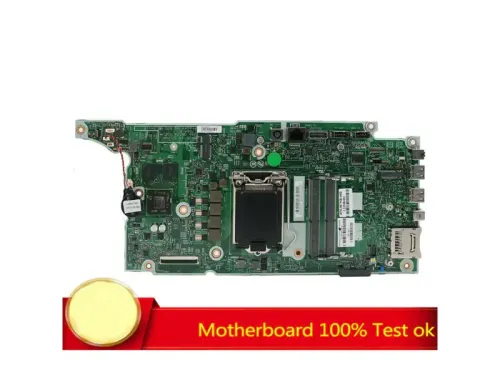
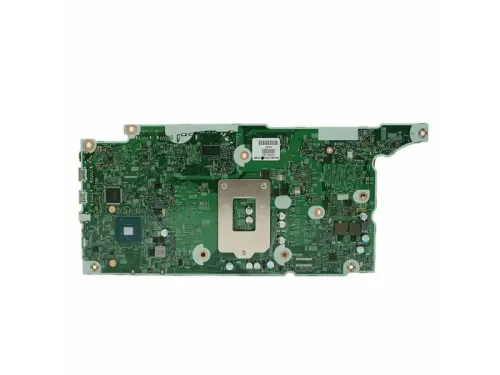
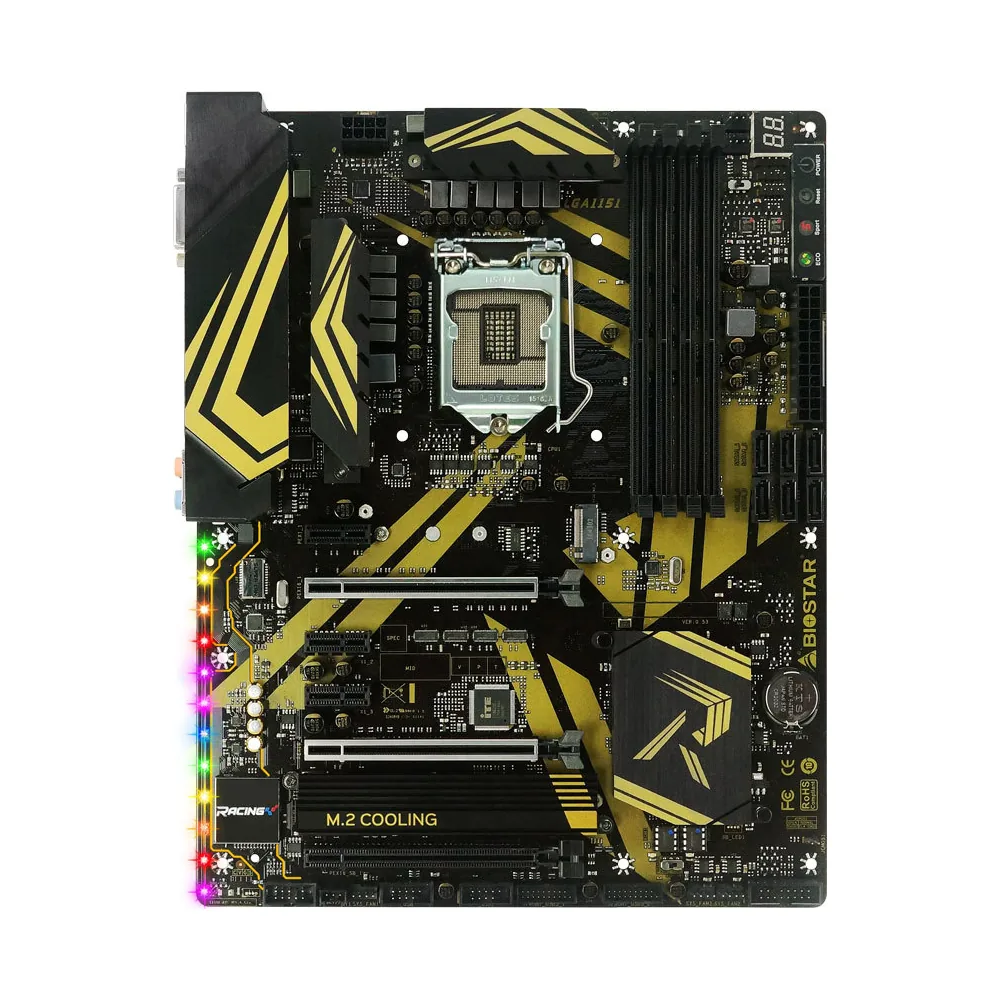
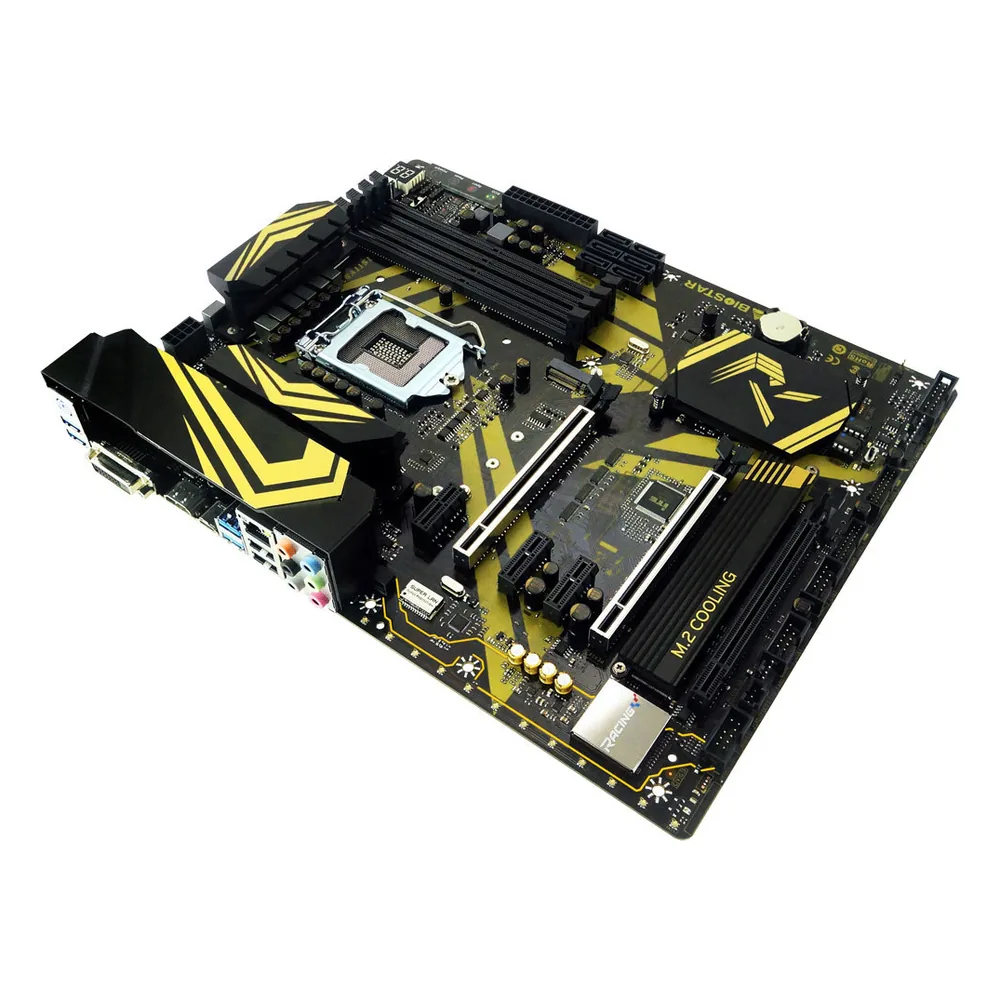
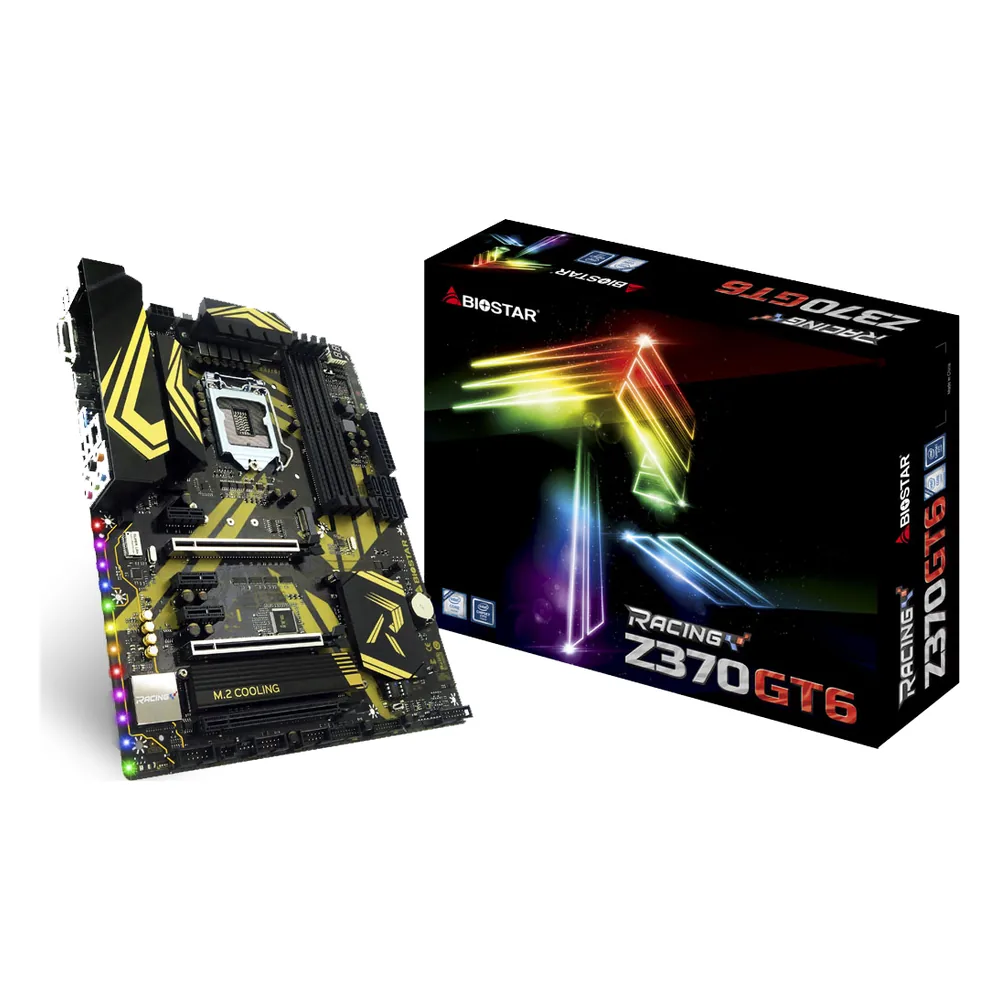
BIOSTAR Z370GT6 Desktop-Mainboard mit LGA1151-Sockel, Intel Z370-Chipsatz, 4 x DDR4 bis zu 64 GB, 2 x M.2.
| Prozessor – CPU-Unterstützung | Intel Core i9 Prozessor der 9. Generation LGA 1151 Intel Core i7 Prozessor der 9. Generation LGA 1151 Intel Core i5 Prozessor der 9. Generation LGA 1151 Intel Core i3 Prozessor der 9. Generation LGA 1151 Intel Core i7 LGA 1151 Prozessor der 8. Generation Intel Core i5 LGA 1151 Prozessor der 8. Generation Intel Core i3 LGA 1151 Prozessor der 8. Generation Intel Pentium LGA 1151 Prozessor der 8. Generation Intel Celeron LGA 1151 Prozessor der 8. Generation Maximale CPU-TDP (Thermal Design Power): 95Watt |
|---|---|
| Chipsatz | Intel Z370 |
| Speicher | Unterstützt Dual Channel DDR4 3866(OC)/ 3600(OC)/ 3200(OC)/ 2933(OC)/ 2666(OC)/ 2400/ 2133/ 1866 MHz 4 x DDR4 DIMM-Speichersteckplätze Max. unterstützt bis zu 64GB Arbeitsspeicher |
| Grafik – Integriertes Video | Je nach CPU-Modell Unterstützt DX12 Unterstützt HDCP |
| Erweiterungssteckplatz | 3 x PCI-E 3.0 x16-Steckplatz (x8,x8,x4) (x4 teilt Bandbreite mit M.2_2, unterstützt Intel Rapid Storage Technology) 3 x PCI-E 3.0 x1-Steckplatz |
| Speicher | 6 x SATA III-Anschlüsse (6Gb/s) Unterstützt SATA RAID: 0,1,5,10 1 x M.2 (M Key)-Anschluss 32Gb/s, unterstützt M.2-Typ 2242/ 2260/ 2280 SATA III (6Gb/s)- & PCI-E (32Gb/s)-Speicher (Intel Optane Technology bereit) 1 x M.2 (M Key)-Anschluss 32Gb/s, unterstützt M.2-Typ 2242/ 2260/ 2280/ 22110 PCI-E (32Gb/s)-Speicher (Intel Optane Technology bereit) Unterstützt PCI-E Storage RAID: 0,1 |
| LAN | Intel i219V - Gigabit-Ethernet-PHY Unterstützt Super LAN Überspannungsschutz |
| Audio-Codec | Realtek ALC1220 8-Kanal Blu-ray Audio Unterstützt Blu-ray Audio Unterstützt HD Audio Unterstützt Biostar Hi-Fi |
| USB | 2 x USB 3.1 Gen2 Type-A Anschluss 1 x USB 3.1 Gen1 Type-C-Anschluss 2 x USB 3.1 Gen1-Anschluss 2 x USB 3.1 Gen1-Header 2 x USB 2.0-Anschluss 2 x USB 2.0-Header |
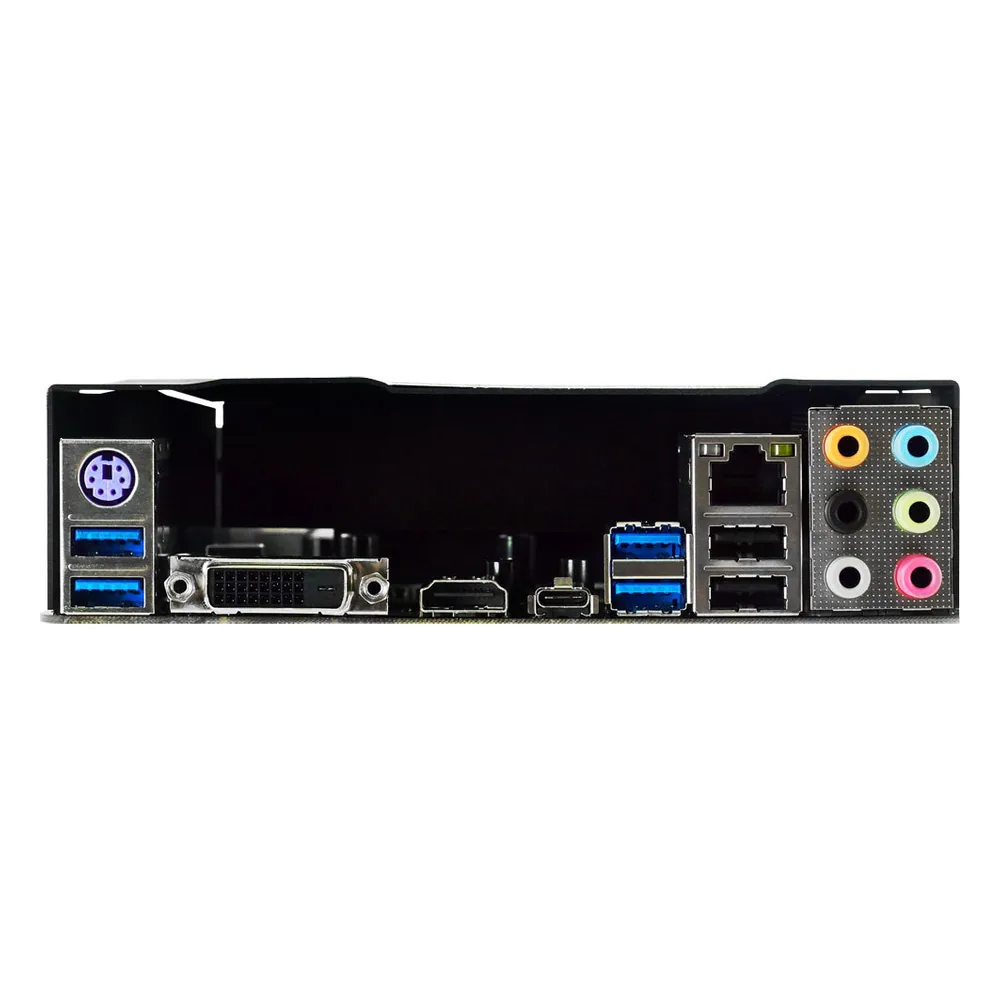
| Rückseitige I/O – Rückseitige I/O | 1 x PS/2-Tastatur/Maus 2 x USB 3.1 Gen2 Type-A Anschluss 1 x USB 3.1 Gen1 Type-C-Anschluss 2 x USB 3.1 Gen1-Anschluss 2 x USB 2.0-Anschluss 1 x HDMI-Anschluss 1 x DVI-D-Anschluss 1 x LAN-Anschluss 6 x Audio-Buchsen |
| Interne I/O | 2 x USB 3.1 Gen1-Header 2 x USB 2.0-Header 6 x SATA III-Anschluss(bei Verwendung einer SATA-SSD auf M.2_1 wird SATA3_1 deaktiviert) (6Gb/s) 1 x M.2 Key M 32Gb/s-Anschluss, unterstützt M.2 Typ 2242/ 2260/ 2280 SATA 6Gb/s & PCI-E-Speicher(Intel Optane Technology bereit) 1 x M.2 Key M 32Gb/s-Anschluss, unterstützt M.2 Typ 2242/ 2260/ 2280/ 22110 PCI-E-Speicher(Intel Optane Technology bereit) 1 x Front-Audio-Header 1 x Front Panel-Header 1 x S/PDIF-Out-Header 2 x CPU-Lüfteranschluss 3 x Systemlüfteranschluss 1 x LN2-Schalter 2 x 5050-LED-Header |
| BIOS & Funktionen – H/W-Überwachung | CPU / System-Temperaturüberwachung CPU / System-Lüfterüberwachung Intelligente / manuelle CPU-/System-Lüftersteuerung Systemspannungsüberwachung |
| Funktionen | VIVID LED DJ 5050 LED FUN ZONE M.2-Kühlungsschutz Unterstützt Double Hi-Fi GT TOUCH Unterstützt 100% Festkondensatoren Rapid Debug Unterstützt Charger Booster Unterstützt BIOS-Online-Update A.I FAN |
| Betriebssystem – OS-Unterstützung | Unterstützt Windows 10(x64) |
| Abmessung | ATX-Formfaktor-Abmessungen: 30.5cm x 24.4cm (B x L) |
| Zubehör | 4 x SATA-Kabel 1 x I/O-Blende 1 x DVD-Laufwerk 1 x Benutzerhandbuch |
| Desktop-Mainboard-Spezifikationen | |
| CPU-Hersteller | Intel |
| CPU-Sockel | LGA1151 |
| Chipsatz | Z370 |
| Formfaktor | ATX |
| Speichertyp | DDR4 |
| Speichersteckplätze | 4 |
| Max. Arbeitsspeicher | 64 GB |
| M.2-Steckplätze | 2 |
| Wi-Fi | Nein |
| Marke | Biostar |
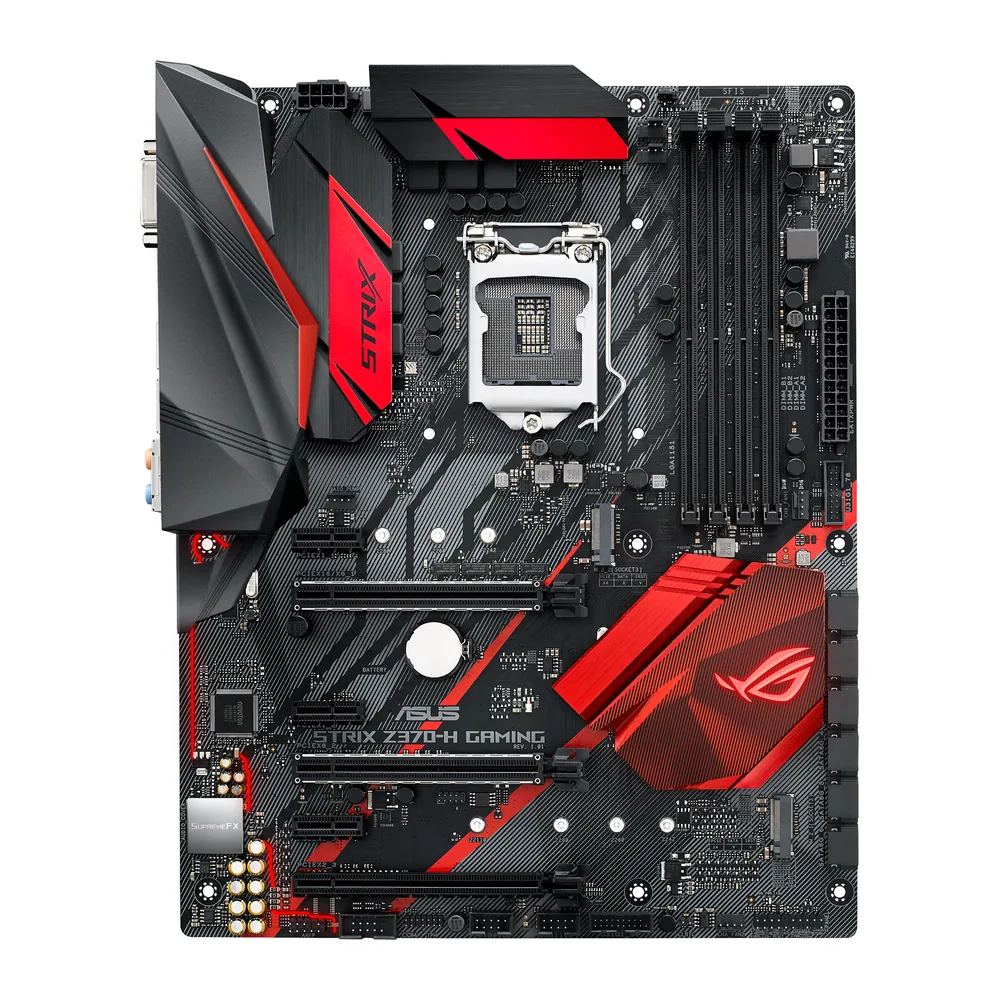 Asus ROG STRIX Z370-H GAMING LGA1151 DDR4 Hauptplatine56,93 €
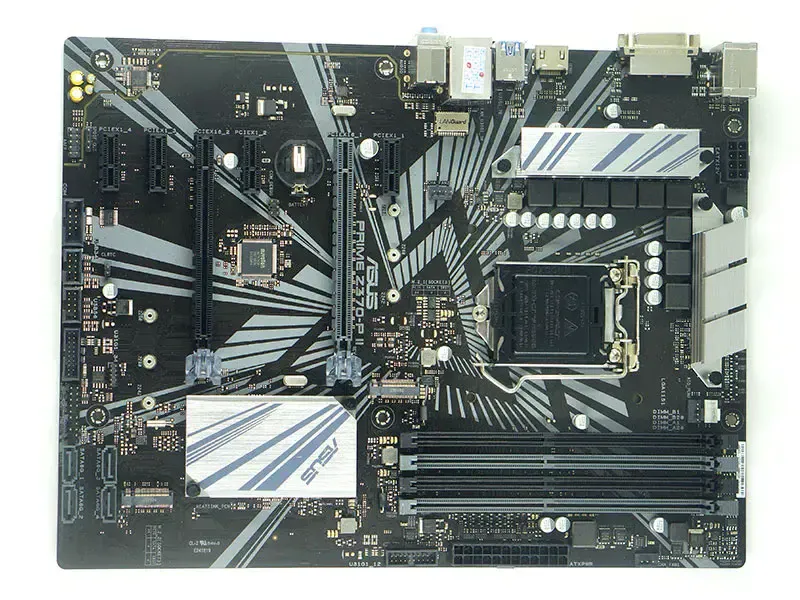 Asus PRIME Z370-P II Hauptplatine60,04 €
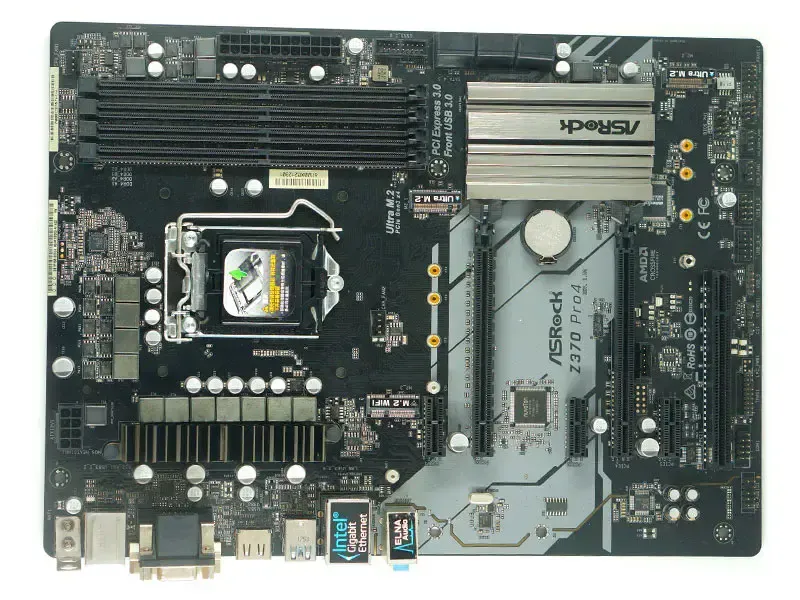 Asrock Z370 Pro4 Hauptplatine72,18 €
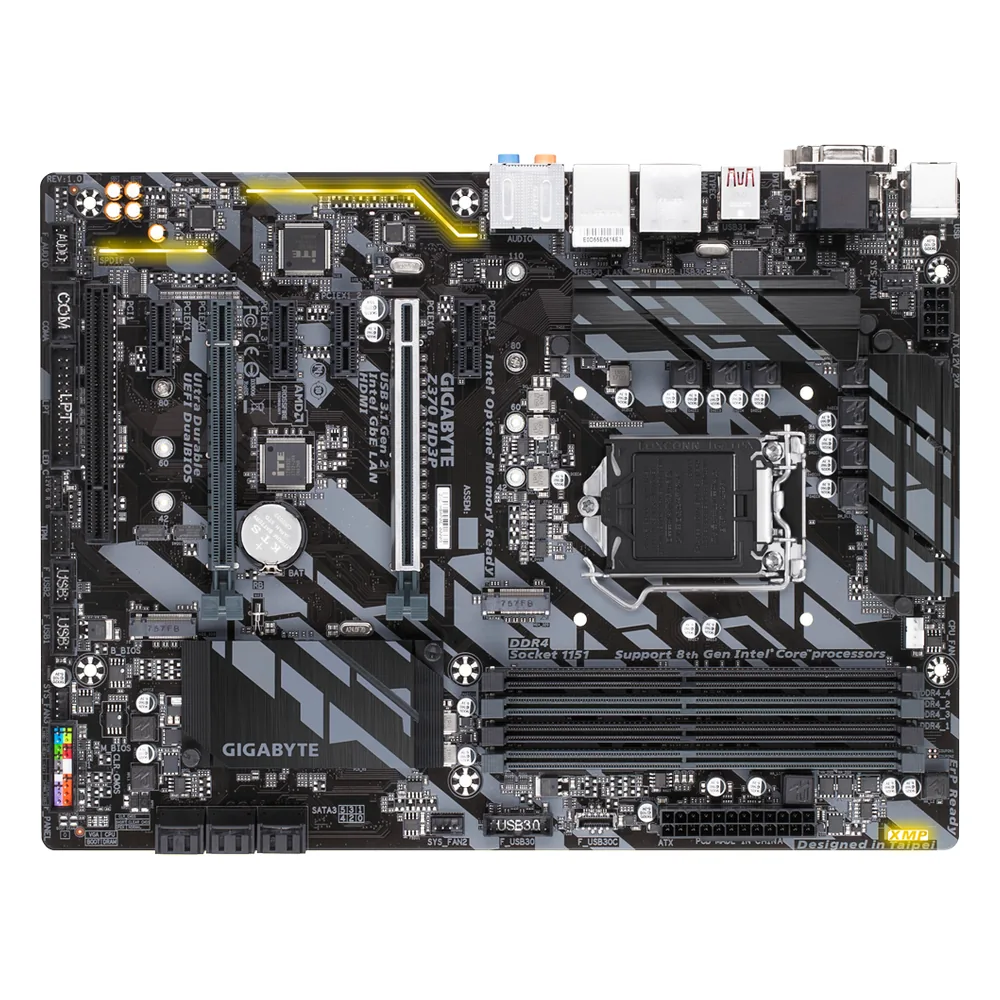 GIGABYTE Z370 HD3P Mainboard Intel Z370 LGA1151 DDR4 ATX82,58 €
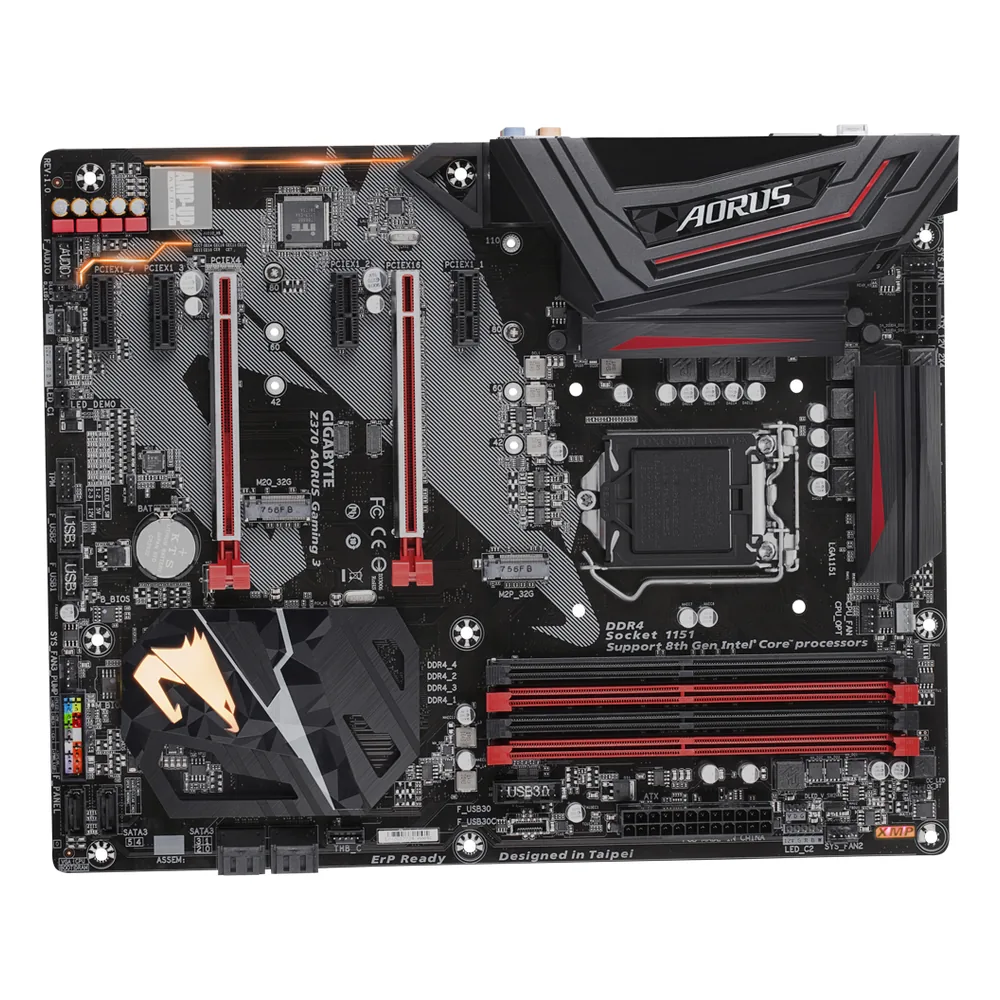 GIGABYTE Z370 AORUS Gaming 3 Mainboard Intel Z370 LGA1151 DDR4 ATX84,26 €
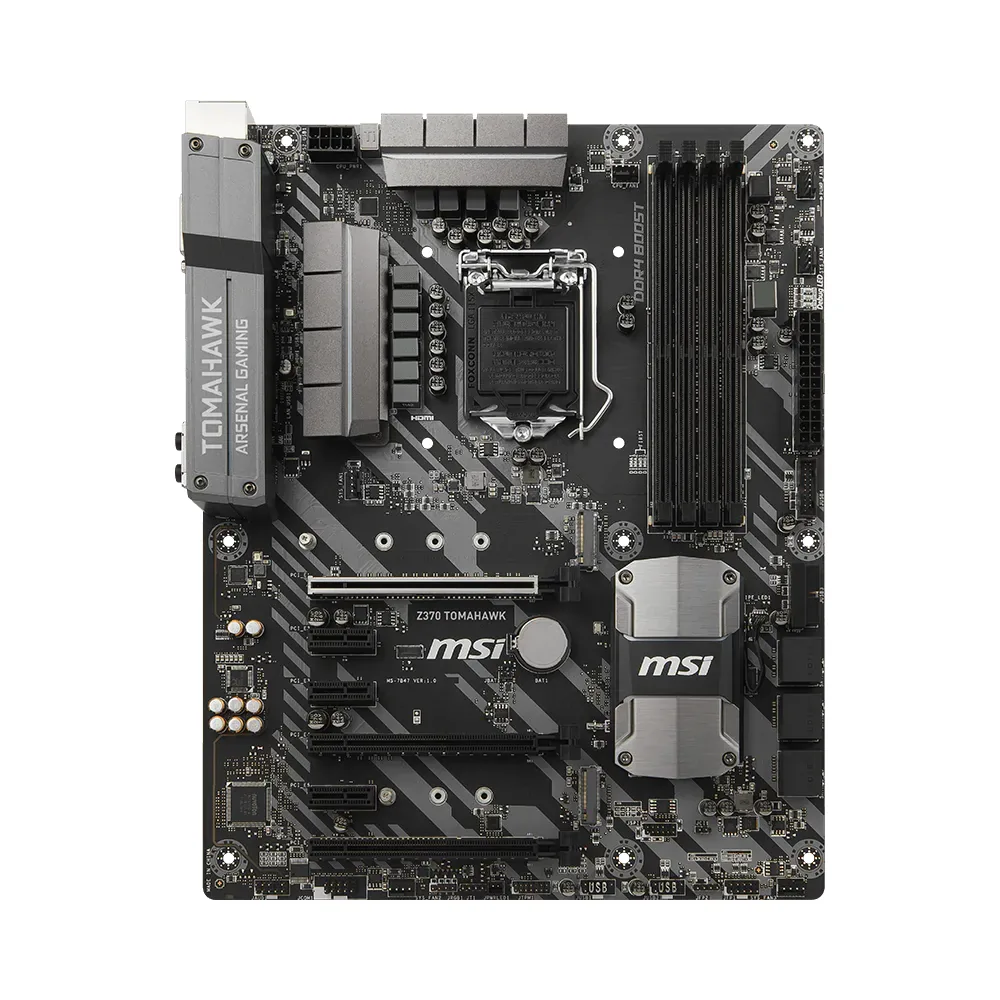 MSI Z370 TOMAHAWK Mainboard Intel Z370 LGA1151 DDR4 ATX88,83 €
Gleicher Sockel, Chipsatz, Speichertyp und Formfaktor. Bitte prüfen Sie, ob das BIOS Ihre CPU unterstützt.